July 31, 2026 · Wyro Labs
How Wyro finds the best prices
We aggregate aggregators to route the best swap path — and protect you with slippage and price impact checks before you sign.
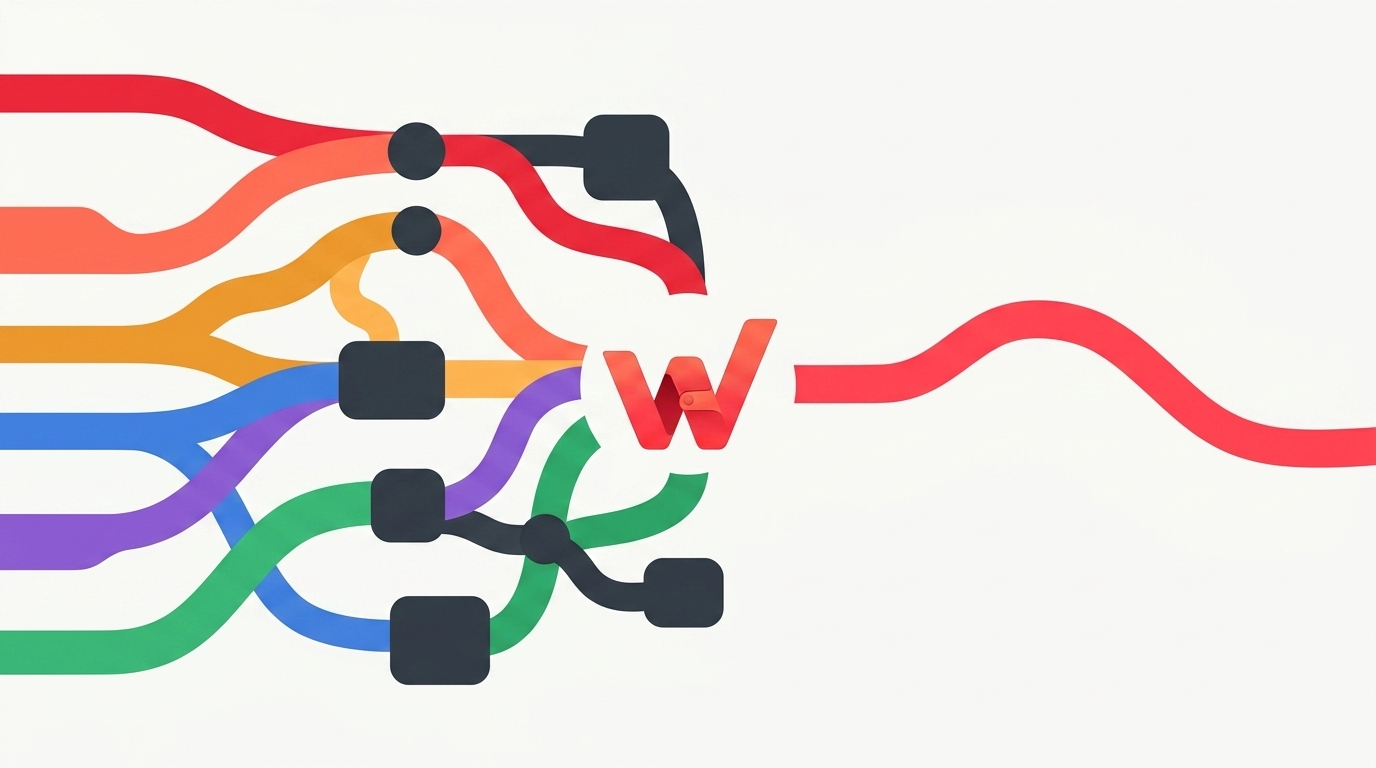
Getting a “good” swap isn’t about picking one DEX and hoping. Liquidity is fragmented. One venue might be cheapest for a small trade and terrible for a large one. Routes change by the block.
Wyro’s job is simpler from your seat: show the best executable price we can find, then refuse to surprise you when you confirm.
We aggregate the aggregators
Most wallets stop at a single aggregator — one router that already scans several DEXes. That’s better than raw pools, but it’s still one opinion of “best.”
Wyro goes a layer up:
- Ask multiple aggregators for quotes on the same trade
- Compare net outcomes — amount out after fees and gas, not just a headline rate
- Pick the winning path — the route that delivers the most of what you’re buying (or costs the least of what you’re selling) for that size
In other words: we don’t only aggregate DEXes. We aggregate aggregators — then route through the path that wins for your swap.
You shouldn’t need to open three swap UIs and screenshot the quotes. That’s our work.
Best path ≠ flashiest quote
A path can look great on paper and still be wrong for you:
- Thin liquidity that only looks deep in the first hop
- Multi-hop routes that eat the edge in fees
- Quotes that stale before you sign
We optimize for what lands in your wallet, with a route that can actually settle — not a vanity mid-price you’ll never fill.
How we protect you: slippage
Slippage is the gap between the quote you saw and the amount you receive when the trade lands. Markets move. Mempools are competitive. A quote without a bound is a suggestion, not a deal.
On Wyro:
- You set (or accept a sensible default for) max slippage
- If the fill would move worse than that bound, the swap fails instead of filling badly
- You stay in control of how much price movement you’ll tolerate
No silent “oops, you got 8% less.” Either the trade respects your limit, or it doesn’t go through.
How we protect you: price impact
Price impact is different from slippage. It’s what your trade size does to the pool — how much you move the market against yourself because you’re the demand.
Large sells into thin liquidity can look “quoted” while still destroying value. That’s not a volatile second between quote and confirm; that’s the route telling you the pool can’t absorb you cleanly.
Wyro surfaces price impact before you sign:
- High impact is called out clearly — not buried in fine print
- You can resize, change the asset, or walk away
- We’d rather you see the cost of size than discover it in your balance
Slippage protects you from a moving market. Price impact protects you from a bad trade for your size.
See it before you sign
Quotes and impact numbers only help if they match what the transaction will actually do. Before you approve, Wyro runs a transaction simulation so you can see expected balance changes — what’s leaving and what’s landing — in plain language.
Those simulations are powered by Tenderly. We dry-run the path against current chain state so surprises show up in the review screen, not after the hash is final. More on how that works in Transaction simulations powered by Tenderly.
What you should feel
- Open a swap
- See a competitive quote from a path that won across aggregators
- Review slippage, price impact, and the simulated outcome
- Sign only if the deal still makes sense
Best price. Clear bounds. Self-custody.
That’s how trading should work on Wyro — on web, mobile, and extension.